HÜPER OPTIK
Fusion
Series

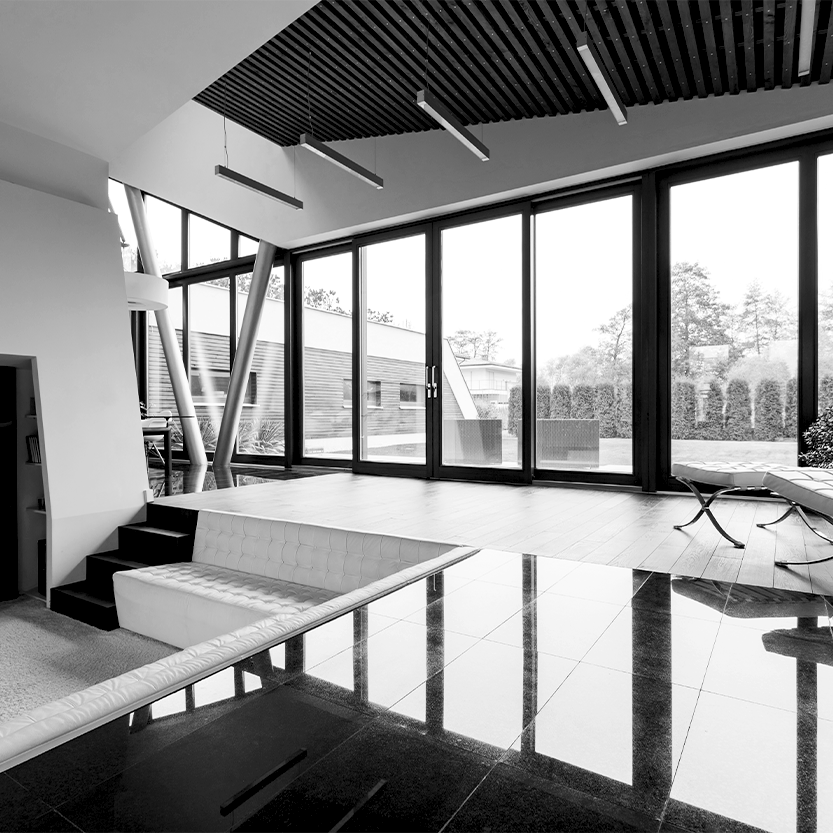
Hüper Optik’s Fusion Series introduces an exceptional collection of reflective window film solutions, expertly crafted to cater to a wide array of architectural needs. These state-of-the-art films not only comply with stringent energy efficiency standards but also elevate the visual appeal of any environment. By seamlessly blending functionality with style, they transform ordinary spaces into breathtaking showcases, enhancing both comfort and aesthetics in any setting.
How Bonus Features in Slots Actually Work: An Online Slots Guide for Beginners
Modern online slot machines are substantially more complex than the mechanical reels of the 1970s or even the early digital versions of the late 1990s. What was once a straightforward spin-and-match experience has evolved into a layered system of triggered events, multipliers, expanding symbols, and interactive mini-games. For players encountering these features for the first time, the sheer variety can be disorienting. Understanding how bonus features are actually programmed and triggered — not just what they look like on screen — makes the experience far more transparent and, ultimately, more enjoyable.
The Mechanics Behind Bonus Triggers
Every bonus feature in a modern online slot is governed by the same underlying technology that controls the base game: a Random Number Generator, or RNG. The RNG is a computational algorithm that produces thousands of random values per second, and each spin samples from this sequence to determine outcomes. Crucially, the RNG does not have memory — it does not track how long ago a bonus was last awarded, nor does it adjust probabilities based on recent results. This is a common misconception among players who believe a slot is "due" for a bonus after a long dry spell.
Bonus triggers are assigned specific probability thresholds within the game's paytable mathematics. A free spins feature might be set to trigger, on average, once every 200 spins. That figure is an average across millions of spins, not a guarantee within any given session. The actual distribution follows what statisticians call a geometric distribution — meaning the gap between triggers can be very short or extremely long, and both outcomes are equally consistent with the stated average frequency.
Regulatory bodies require that this mathematical framework be independently verified. In the United Kingdom, the Gambling Commission mandates that all licensed operators use RNG software certified by accredited testing laboratories such as eCOGRA, BMM Testlabs, or iTech Labs. These organisations audit both the randomness of outcomes and the accuracy of published Return to Player (RTP) percentages, which typically range from 94% to 97% for most mainstream online slots. The bonus features themselves often carry a disproportionate share of that RTP — meaning a significant portion of the theoretical return is embedded within the bonus rounds rather than the base game.
Types of Bonus Features and What They Actually Do to Your Expected Return
Free spins are the most common bonus feature, but the mechanics vary considerably between titles. In a standard free spins round, the RTP often increases because certain win-reducing mechanics — such as lower-value symbol sets or reduced multipliers — are suspended. Some games, like NetEnt's Dead or Alive 2 released in 2019, use a "sticky wilds" mechanic during free spins that can produce returns of several thousand times the stake from a single trigger, but the base hit frequency of those high-value outcomes is extremely low. The volatility of the bonus feature itself is a distinct variable from the volatility of the base game.
Buy-a-bonus features, which became widely available around 2018 and 2019, allow players to pay a fixed multiple of their stake — commonly between 50x and 100x — to immediately access the bonus round. The mathematical structure of these purchases is straightforward: the cost is calibrated so that the expected value of the bonus round, when averaged across millions of purchases, approximately equals the purchase price. Players are not getting a discount; they are paying for immediacy and certainty of access rather than probability. In jurisdictions like the UK, bonus buy features were restricted in September 2019 following guidance from the Gambling Commission, which cited concerns about accelerated play and potential harm.
Cascading or tumbling reels — used in games like Pragmatic Play's Gates of Olympus — replace winning symbols with new ones in the same spin, allowing chain reactions. Each cascade can carry a multiplier that increases with successive wins, meaning a single paid spin can generate multiple win events. The RTP calculation for these games accounts for the full cascade sequence, not just the initial symbol placement, which is why the mathematics behind them is considerably more complex to audit than a standard payline slot.
Megaways mechanics, licensed from Big Time Gaming following their patent filed in 2016, dynamically alter the number of symbols on each reel with every spin — sometimes producing up to 117,649 ways to win. The bonus rounds in Megaways titles frequently incorporate unlimited win multipliers that increase with each cascade. This structure creates extreme variance: the vast majority of bonus rounds produce modest returns, while a small percentage generate the headline-grabbing large wins that are featured in promotional content. An Online Slots Guide for Beginners will typically explain these mechanics in accessible terms, but understanding the underlying probability distributions gives a clearer picture of what to realistically expect during any given session.
How Game Designers Use Bonus Features to Shape Player Experience
Game studios do not design bonus features in isolation. The entire mathematical model of a slot — base game frequency, symbol weighting, bonus trigger rate, and bonus round structure — is engineered as a unified system to hit a target RTP while achieving a specific volatility profile. High-volatility games are built to infrequently award large bonuses; low-volatility games distribute smaller wins more regularly. The volatility index is not always disclosed publicly, though some providers such as Play'n GO and Pragmatic Play have begun including variance ratings in their game information sheets.
The visual and audio design of bonus features is specifically constructed to amplify perceived excitement, a phenomenon studied extensively in behavioural research. A 2018 paper published in the journal Addictive Behaviors found that near-miss outcomes — where bonus symbols land just off the triggering positions — activate reward-related brain responses similar to actual wins, even though they have no mathematical difference from any other non-winning outcome. Game designers are aware of this effect, and regulators in several markets have begun scrutinising how near-miss presentations are implemented.
Anticipation mechanics, such as the reel-by-reel reveal common in many modern slots, extend the perceived duration of each spin and heighten emotional engagement during potential bonus triggers. When the first two reels show bonus scatter symbols, the third and fourth reels typically slow down before revealing their result. This animation has no effect on the outcome — the RNG determined the result before the spin animation began — but it is a deliberate design choice that affects how players experience the event. Some jurisdictions, including Sweden under Spelinspektionen regulations updated in 2023, have introduced requirements around the speed and presentation of spin animations specifically to address this kind of psychological design.
Pick-and-click bonus games, where players select from a set of objects to reveal prizes, present an interesting case. The prizes behind each object are determined before the player makes their choice, meaning the selection itself is cosmetic. The outcome is fixed; the player's agency is illusory. This is standard practice and is not considered deceptive under current regulations, but it illustrates how the interactive framing of a feature can create a sense of control that does not exist mathematically.
Bonus features in online slots are not arbitrary additions — they are precisely engineered components of a mathematical model, subject to regulatory oversight, and designed with a detailed understanding of player psychology. Recognising the difference between a feature's visual presentation and its underlying probability structure allows players to engage with these games with accurate expectations. The entertainment value of a well-designed bonus round is genuine, but it exists within a framework where the house edge is always present and always consistent, regardless of how a particular session unfolds.
Fusion 10
Fusing high-performance and aesthetics, Hüper Optik's Fusion Window Films deliver innovative solutions designed to enhance any space.
%
Total Solar Energy Rejected
- UV Reduction99%
- Glare Reduction88%
- Daytime Privacy89%
Fusion 20
Hüper Optik Fusion Window Film is a cutting-edge solution that excels in heat rejection, making it an ideal choice for those seeking comfort and energy efficiency. Utilizing advanced technology, these window films effectively block a significant amount of solar heat, ensuring a cooler indoor environment even on the hottest days.
%
Total Solar Energy Rejected
- UV Reduction99%
- Glare Reduction78%
- Daytime Privacy80%
Fusion 28
Ideal for both residential and commercial spaces, Hüper Optik Fusion Window Film effectively balances light control and seclusion, creating a more comfortable environment. Experience peace of mind and elevated aesthetics with Fusion, where privacy meets elegance and functionality.
%
Total Solar Energy Rejected
- UV Reduction99%
- Glare Reduction70%
- Daytime Privacy73%
A Legacy of Innovation
Hüper Optik revolutionized the window film industry in 1998 by becoming the first company to patent nano-ceramic window film technology. Over two decades later, Hüper Optik remains at the forefront of innovation, delivering standard-setting solutions that lay the groundwork for sustainable and secure architectural spaces.